
How Red Light Therapy Helps to Reduce Inflammation
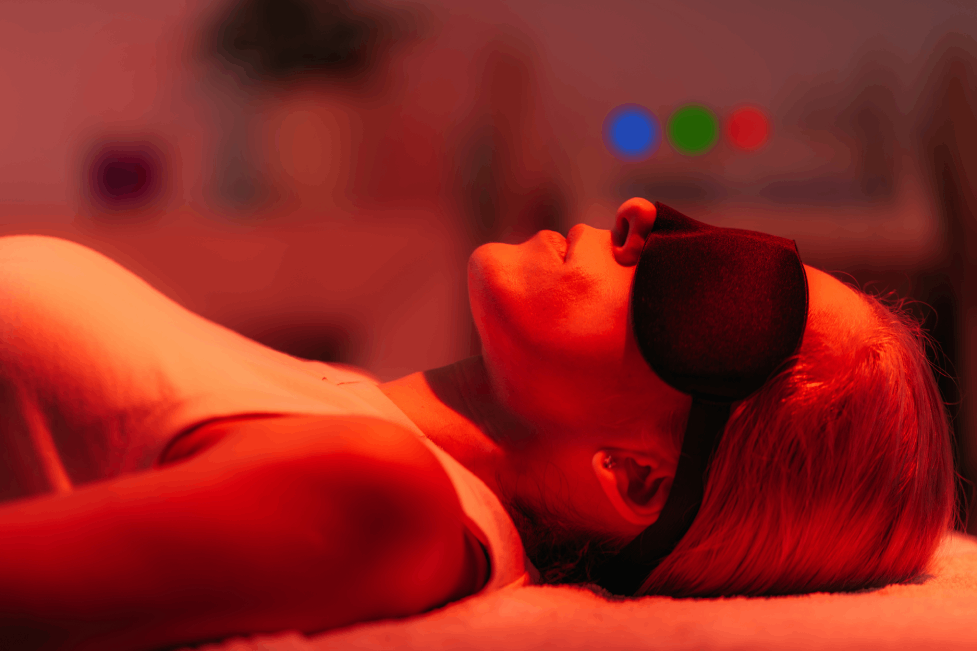
If you're looking for a non-invasive option to tackle inflammation, you might've come across red light therapy. This treatment uses specific wavelengths to reach deep into your skin, targeting the root causes of swelling and pain. It's being used for everything from arthritis to muscle recovery, with new clinical studies showing promising results. But how exactly does a simple light produce such powerful effects on your body? There's more to uncover about how this therapy really works.
Understanding Inflammation and Its Role in the Body
When the body detects a threat, the immune system initiates an inflammatory response as a defensive mechanism. This response manifests through symptoms such as heat, redness, swelling, pain, and sometimes a reduction in function. These symptoms are the body's method of addressing infection, irritation, or cellular damage.
The release of chemicals like bradykinin and histamine activates nerve endings, leading to pain and swelling, which help to isolate the threat. Acute inflammation is essential for eliminating pathogens and beginning tissue repair processes.
However, chronic inflammation can be detrimental, heightening the risk of conditions such as arthritis, certain cancers, and periodontal disease. Studies have also linked chronic inflammation to depression, suggesting it can have significant effects on both physical and mental health.
Chronic inflammation can also be influenced by nutrient deficiencies and supportive therapies. Red light therapy and vitamin D are increasingly recognized for their combined potential to modulate immune function and reduce systemic inflammation.
What Is Red Light Therapy?
Red light therapy is a non-invasive technique designed to assist the body's natural healing mechanisms through the application of specific wavelengths of visible red light. Typically administered via LEDs or lasers, this treatment utilizes wavelengths ranging from 600 to 850 nanometers.
These wavelengths are capable of penetrating the skin without producing heat, ensuring that sessions remain both comfortable and safe for users. Also referred to as photobiomodulation or low-level laser therapy, red light therapy is thought to stimulate the mitochondria within cells, potentially enhancing energy production, improving blood circulation, and facilitating tissue repair.
Devices for delivering this therapy include panels, masks, and beds, tailored for various therapeutic purposes.
The Science Behind Red Light Therapy's Anti-Inflammatory Effects
The mechanism behind red light therapy's ability to mitigate inflammation involves targeting the mitochondria within cells. This process enhances ATP production while concurrently reducing oxidative stress, thereby aiding the body's capacity to manage inflammation effectively.
Furthermore, red light therapy contributes to improved blood circulation and bolsters antioxidant defenses, both of which play a role in alleviating swelling and discomfort. This has been documented in studies related to recovery from surgery and muscle soreness following exercise.
Research indicates a decrease in levels of inflammatory enzymes and a suppression of pro-inflammatory pathways in cells that have undergone treatment. Clinical evaluations have shown that red light therapy can provide short-term relief from swelling and excessive immune responses, particularly in conditions such as rheumatoid arthritis.
How Red Light Therapy Stimulates Cellular Activity
Red light therapy is known to enhance cellular activity through specific mechanisms. Wavelengths ranging from 630 to 850 nanometers are utilized to penetrate the skin and target the mitochondria within cells. This exposure leads to an increase in ATP production, thereby providing cells with the energy necessary for essential reparative processes.
Additionally, red light therapy stimulates fibroblasts, which plays a role in collagen production and tissue regeneration. There's also evidence to suggest that this therapy can enhance cellular metabolism, bolster antioxidant defenses, and initiate photobiomodulation, which aids in repair by releasing growth factors.
These effects have been substantiated by clinical trials, including research conducted by NASA, which have documented faster healing times and a reduction in cellular stress.
Applications of Red Light Therapy for Inflammatory Conditions
Red light therapy is utilized in various inflammatory conditions, offering potential health benefits. In dermatological applications, it can help manage inflammatory skin disorders such as psoriasis, rosacea, eczema, and acne by reducing inflammation and enhancing skin texture.
In the context of rheumatoid arthritis, empirical studies indicate that red light therapy may alleviate pain and reduce morning stiffness. Additionally, it's applied in the treatment of tendinopathy, where it's associated with accelerated tissue recovery and improved functionality.
Post-operative pain and swelling may also decrease with the use of red light therapy, potentially leading to quicker recovery times. For athletes or those engaged in physical activities, this therapy may diminish muscle soreness and inflammation, facilitating recovery after strenuous exercise or injury.
Evaluating the Effectiveness of Red Light Therapy
Considering the various inflammatory conditions for which red light therapy is utilized, it's essential to evaluate its effectiveness. Reviews indicate several potential benefits. Research suggests that red light therapy may help reduce pain and agitation in individuals with dementia.
Additionally, it has shown promise in improving function and alleviating pain in conditions such as tendinopathies and rheumatoid arthritis. Athletes may experience reduced muscle soreness and faster recovery from exercise-induced inflammation.
However, it's important to note that studies on wound healing have yielded mixed results. Thus, further rigorous clinical trials are necessary to confirm these findings comprehensively.
Safety Considerations and Potential Side Effects
Red light therapy is generally considered safe, but it's important to be aware of potential risks and side effects before commencing treatment. Most individuals don't encounter significant issues; however, mild skin redness or irritation may occur, typically resolving swiftly.
It's essential to use eye protection, as exposure without goggles can result in eye damage. Utilization of red light at high intensities or for extended durations increases the risk of skin blistering or sustained redness.
Individuals with light-sensitive skin or specific medical conditions should consult with a healthcare provider prior to beginning therapy. Reactions can vary based on skin type and the strength of the device used.
Red Light Therapy Devices: Professional vs. At-Home Use
When choosing between professional and at-home red light therapy devices for managing inflammation, several factors should be considered. Professional devices, typically found in clinical settings, offer higher power output and deeper wavelengths, often reaching up to 850nm. This can result in more effective and quicker inflammation reduction.
Clinical studies and reviews generally support the efficacy and speed of these devices. On the other hand, at-home devices are more budget-friendly and convenient but tend to offer lower intensity, which may lead to slower and less pronounced results.
Users of at-home devices might require longer or more frequent sessions using items like masks or wands to achieve noticeable effects. It's important to select FDA-cleared at-home devices to ensure safety. While at-home options provide greater accessibility, professional red light therapy devices are more likely to offer consistent and reliable outcomes for inflammation management.
Key Considerations When Choosing Red Light Therapy for Inflammation
When evaluating options for red light therapy to address inflammation, focus on several key factors that can impact the effectiveness of the treatment. It's important to choose devices with wavelengths ranging from 630-850nm, as these are known for their ability to penetrate deeply and effectively reduce inflammation.
Consulting with a healthcare provider can ensure that this therapy is appropriate for your specific condition. Selecting FDA-cleared devices or opting for clinic-based treatments is recommended, as these options often provide more robust results.
The frequency of sessions is typically suggested to be one to three times per week over a period of several weeks. Cost is an important consideration, as individual sessions can exceed $80. Additionally, it's crucial to employ protective measures to prevent skin or eye irritation during treatment.
Conclusion
Red light therapy offers you a safe, non-invasive way to tackle inflammation at its source. By boosting your cells' energy and calming down inflammatory processes, it actively helps speed up recovery and ease pain. Whether you're dealing with arthritis, acne, or muscle soreness, it's an effective option worth considering. Just make sure to choose a reliable device and follow safety guidelines, so you can maximize the benefits and support your body's natural healing.